empowering midwives in Mali transforms women’s health
Bamako — « I used to feel ashamed to discuss contraception—it’s still a taboo subject in some communities here. I was afraid of being judged or gossiped about in my neighborhood, » confides Kadidia, a 19-year-old student in Bamako.
Like Kadidia, countless young women in Mali encounter barriers to sexual and reproductive health services—some rooted in culture, others in infrastructure. In 2024, Mali recorded 583 maternal deaths, including 89 among adolescents aged 15 to 19. While progress has been made, challenges persist: nearly 4.8 million women of reproductive age lived in Mali in 2024, yet only 559,493 had access to modern contraceptives, up from 480,682 in 2023.
why sexual and reproductive health matters for young women
Access to tailored reproductive health services is more than a right—it’s a lifeline. These services empower young women to make informed decisions about their bodies and futures by:
- Reducing unplanned pregnancies through contraception
- Preventing sexually transmitted infections (STIs) and HIV/AIDS
- Enhancing physical and mental well-being
Yet, deep-seated taboos and systemic gaps continue to limit progress. Addressing these barriers has become a critical public health priority in Mali.
the who’s role in strengthening reproductive rights in Mali
The World Health Organization (WHO), with major donor support, is collaborating with the Malian government to implement an ambitious program aimed at expanding access to sexual and reproductive health services. This initiative encompasses:
- Legal and policy reforms to protect women’s rights
- Training healthcare providers in modern reproductive health practices
- Supplying essential medical equipment
- Establishing youth-friendly clinics
- Generating reliable data to inform policy decisions
Dr. N’Tji Keita, Head of the Maternal and Child Health Department at the National Office of Reproductive Health, explains: « This program is embedded in our strategic plan to safeguard healthcare rights, especially for youth and adolescents. We’ve trained judges on WHO guidelines, launched a national health observatory, and strengthened maternal death surveillance systems. »
The WHO doesn’t just provide technical support—it acts as a catalyst for coordination and oversight. Thanks to this partnership, Mali published its first national bulletin on sexual and reproductive health indicators and the 2022 National Health Accounts, tools that sharpen performance analysis and guide strategic decisions.
reaching vulnerable populations with targeted care
Initiatives like the Mother-Child-Adolescent Clinic in Sikasso offer integrated services, including family planning and gender-based violence support. Mobile health teams are also deployed to humanitarian zones like Macina, ensuring even the most remote communities receive care.
Dr. Sylla Ousmane, WHO’s Sexual and Reproductive Health Program Manager in Mali, notes: « These efforts bring services closer to those who need them most, breaking down barriers to access. »
midwives at the heart of change
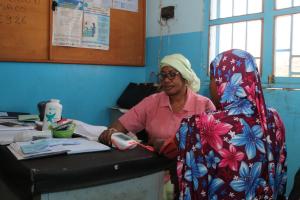
Trained midwives are the backbone of this transformation. Their continuous education has significantly improved care quality for young women. Take Aïssata, a midwife at the Kebila community health center:
« I’ve completed multiple trainings on prenatal consultations, family planning, STI/HIV care, and medical prescriptions. This has not only enhanced my skills but also allowed me to serve young women without stigma, » she shares.
Assetou, a mentor midwife in Yanfolila (160 km south of Bamako), echoes this sentiment: « The training revolutionized my approach—prioritizing listening, availability, and consent. » Under her care, visits for sexual and reproductive health services surged from 2,330 in 2019 to 5,121 in 2025.
breaking taboos through education and awareness
Change isn’t just about numbers—it’s about shifting mindsets. Through school campaigns, radio broadcasts on sexual health, and provider training in empathy and consent, young women are increasingly seeking care. Kadidia, now a confident advocate, recalls her first clinic visit: « The staff listened without judgment and gave me sound advice. It changed my life. To other young women, I say: don’t be afraid to seek help—these services exist for you. »