Drépanocytose au Burkina Faso: Dre Gloria Damoaliga Berges mène le combat
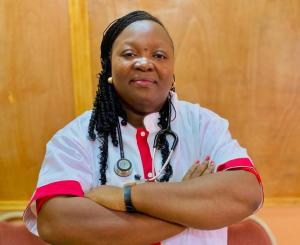
With a prevalence rate of 4.63% in Burkina Faso—including nearly 2% of newborns affected by the severe SS form—sickle cell disease remains a critical public health challenge. This reality demands a robust, multi-sector response involving all segments of society. For over a decade, Dr. Gloria Damoaliga Berges, Vice President of the Centre d’Initiative contre la Drépanocytose au Burkina Faso (CID/B), has been at the forefront of this fight, mobilizing communities, healthcare professionals, and policymakers to transform the landscape of sickle cell care.
Why Dr. Berges dedicated her career to fighting sickle cell disease
Since the early days of her medical practice, Dr. Berges encountered countless children and young adults battling the excruciating pain of sickle cell disease. Each case deepened her resolve to make a difference. In 2015, she took a pivotal step by helping establish a dedicated sickle cell referral unit at her hospital, with support from the Centre d’Initiative contre la Drépanocytose. This marked a turning point in her commitment to the cause.
Q: What drives your decades-long dedication to this cause?
As a physician, I saw firsthand the suffering of patients—especially children—whose cries for help often met with helplessness. That pain became my motivation. When I was invited to support the creation of a specialized care unit, my involvement shifted from individual care to systemic change. Today, I see my role as both a healer and an advocate for a healthier future.
The silent inheritance: why newborns still suffer from sickle cell disease
Sickle cell disease is hereditary. When both parents carry the hemoglobin S gene, each pregnancy carries a 25% chance of producing a child with sickle cell anemia. Despite this, many couples remain unaware of their genetic status before conceiving. Premarital and prenatal hemoglobin electrophoresis tests are often overlooked, leaving families vulnerable. Raising awareness about these tests—before marriage or pregnancy—is essential to reducing the burden of this disease.
Q: How has your work extended beyond clinical settings?
Community engagement has been central to our strategy. In regions where sickle cell disease is poorly understood, misconceptions and stigma persist. To combat this, we’ve launched large-scale awareness campaigns and screening programs. Between January and July 2024, we coordinated a major initiative that screened nearly 15,000 children across five regions, in partnership with a local NGO. These efforts don’t just detect cases early—they also challenge harmful stereotypes and foster solidarity among affected families.
Groundbreaking initiatives: screening, support, and systemic change
Our work extends across multiple fronts:
- Screening and prevention: We’ve partnered with hematology teams and the Ministry of Health to implement neonatal screening and train healthcare providers in pain management for sickle cell patients.
- Access to care: We contributed to launching Drépa Minute, a free hotline (80001350) offering information in local languages—from disease basics to treatment options.
- Holistic patient support: Through our 11 regional branches, we provide medical care, psychosocial counseling, and economic empowerment programs, including vocational training for patients and their families.
- Policy advocacy: We collaborate with the Ministry of Health’s Direction de la Prévention et du Contrôle des Maladies Non Transmissibles (DPCM) and partners like the Agence Française de Développement and Fondation Pierre Fabre to push for universal health coverage and better resource allocation.
Q: What progress has been achieved so far?
The landscape has transformed dramatically. Sickle cell disease is now recognized as a national health priority, with dedicated policies and strategic plans in place. Awareness has surged—not just among the public, but also among healthcare workers. Formal training programs have been established, and neonatal screening has improved. Most importantly, the narrative around sickle cell has shifted: from a feared “curse” to a manageable condition. Today, we see patients living full lives—working, raising families, and contributing to society—thanks to early diagnosis and consistent care.
The road ahead: challenges and calls to action
Despite progress, critical gaps remain:
- Limited access to diagnostics and treatments: Many regions lack basic screening tools, and essential medications like hydroxyurea, pain relievers, and antibiotics are often out of reach.
- High complication rates: Severe cases require frequent transfusions and specialized care, which are not universally available.
- Systemic barriers: Stigma and financial constraints still prevent many from seeking care.
Dr. Berges stresses the urgency of scaling up neonatal and early screening, expanding access to life-saving treatments, and strengthening coordination between the Ministry of Health and partners. “The silent suffering of sickle cell patients must no longer be ignored,” she urges. “We need bold investments in prevention, care, and advocacy to turn hope into reality.”
Her message is clear: The fight against sickle cell disease is not just medical—it’s a fight for dignity, equity, and the right to a fulfilling life for every affected individual.