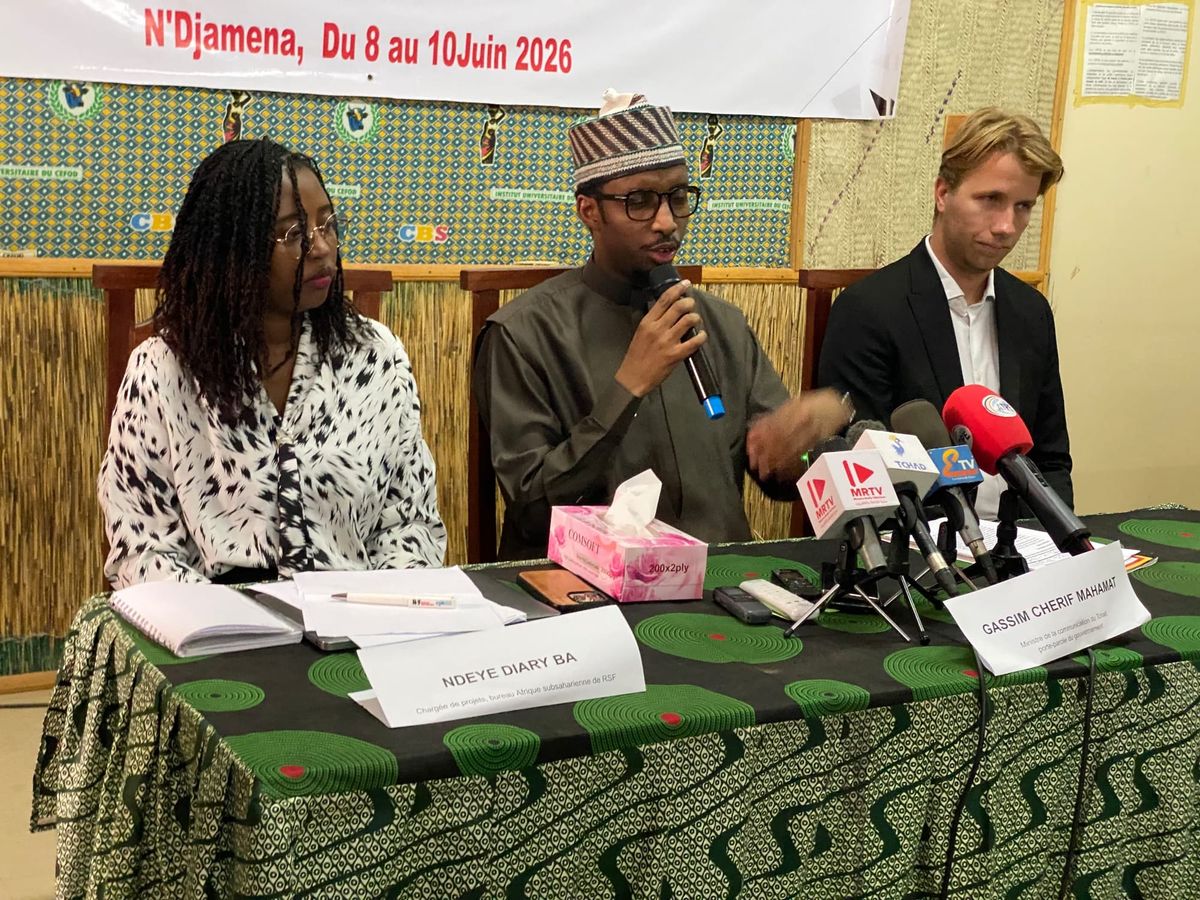
In N’Djamena, journalists from across the Sahel are convening to address a pressing concern: how to safeguard those reporting on environmental issues amid escalating insecurity and mounting pressures. The gathering, which brought together nearly two dozen media professionals from Mali, Niger, Burkina Faso, and Chad, unfolded on June 8, 2026, at the Centre d’Études et de Formation pour le Développement (CEFOD).
Organized by Reporters Without Borders (RSF), this regional workshop aims to equip environmental journalists with the legal knowledge and practical tools they need to navigate the hazards of their profession. The event underscores the urgency of protecting reporters who investigate critical environmental challenges, from climate change impacts to natural resource depletion, in some of Africa’s most volatile regions.
Government recognition of journalists’ role
The opening ceremony was led by Chad’s Minister of Communication and government spokesperson, Gassim Chérif Mahamat. In his address, he emphasized the vital role of the press in raising public awareness about environmental crises and called for stronger support to ensure journalists can operate without fear or interference. His remarks highlighted the government’s commitment to fostering a conducive environment for media freedom, particularly in high-stakes reporting.
Key discussions and collaborative insights
Over the course of the workshop, participants will delve into critical topics, including legal safeguards for journalists, digital and physical safety measures, and the unique challenges of covering environmental stories in conflict-prone areas. The sessions are designed not only to educate but also to foster cross-border exchanges, allowing reporters from different Sahelian nations to share strategies and best practices.
Ndeye Diary Ba, Project Manager for Sub-Saharan Africa at RSF, stressed the growing need for such initiatives. “In a region where climate change is intensifying, natural resources are dwindling, and insecurity is on the rise, environmental journalists are on the front lines of public information,” she noted. “Yet, they often work without adequate legal or institutional protection, making their safety a priority.”
Roadmap for enhanced safety and legal frameworks
The multi-day workshop is expected to culminate in actionable recommendations aimed at bolstering the security of environmental journalists and advocating for stronger, more protective legal frameworks across the Sahel. By equipping these reporters with the right tools and knowledge, the initiative seeks to ensure their vital work can continue—even in the most challenging circumstances.