

Final can 2025: tas extends deadline for Morocco’s response in Senegal dispute
Legal proceedings surrounding the 2025 Africa Cup of Nations final between Sénégal and Morocco have taken another turn at the Court of Arbitration for Sport (TAS). The Royal Moroccan Football Federation (FRMF) has been granted an extended deadline by the TAS to submit its defense arguments in the ongoing dispute.Continue Reading
Russian mercenaries retreat as malian jihadists seize key cities
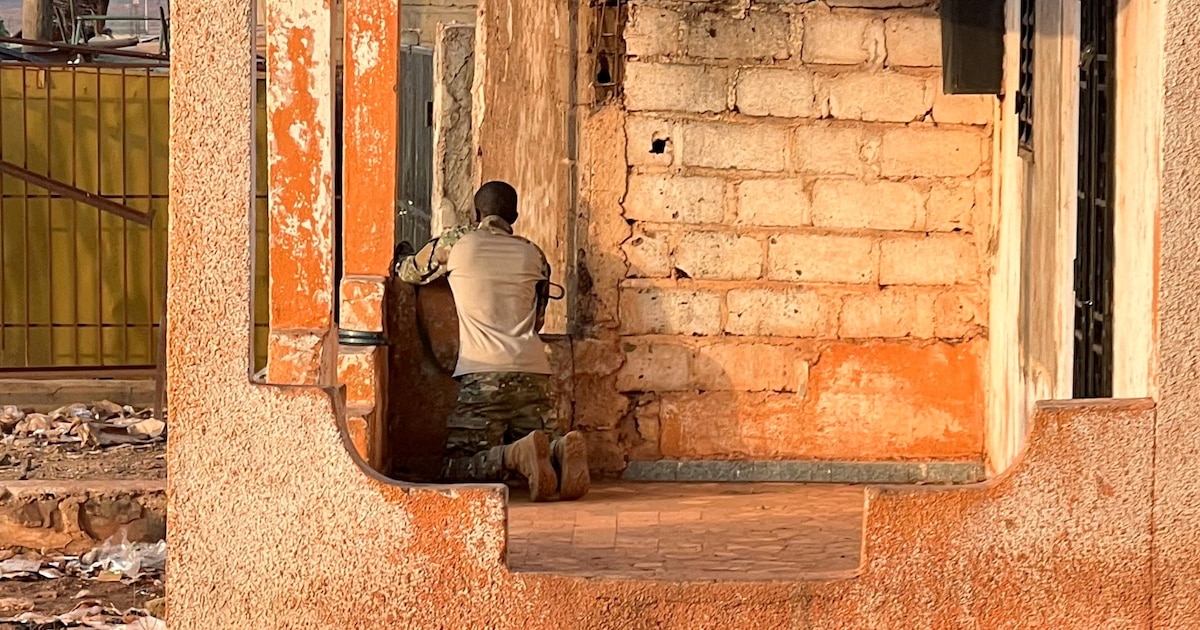
In a striking military setback, Russian mercenaries from the Africa Corps—a Kremlin-backed force that replaced Wagner in Mali—were forced into a humiliating retreat from Kidal on April 26. Social media footage captured the chaotic withdrawal: disarmed troops fleeing in trucks, abandoning armored vehicles and helicopters to jihadist fighters and TuaregContinue Reading

Mali conflict: Africa Corps retreat exposes junta’s vulnerabilities
In a carefully orchestrated display of power, social media videos have captured Tuareg fighters from the Azawad Liberation Front (FLA) and Jnim (Group for the Support of Islam and Muslims) parading on armored vehicles abandoned by fleeing Russian mercenaries. Just two days after the fall of Kidal in northern Mali,Continue Reading
Coordinated attacks against Mali: the unexpected jihadist-separatist alliance
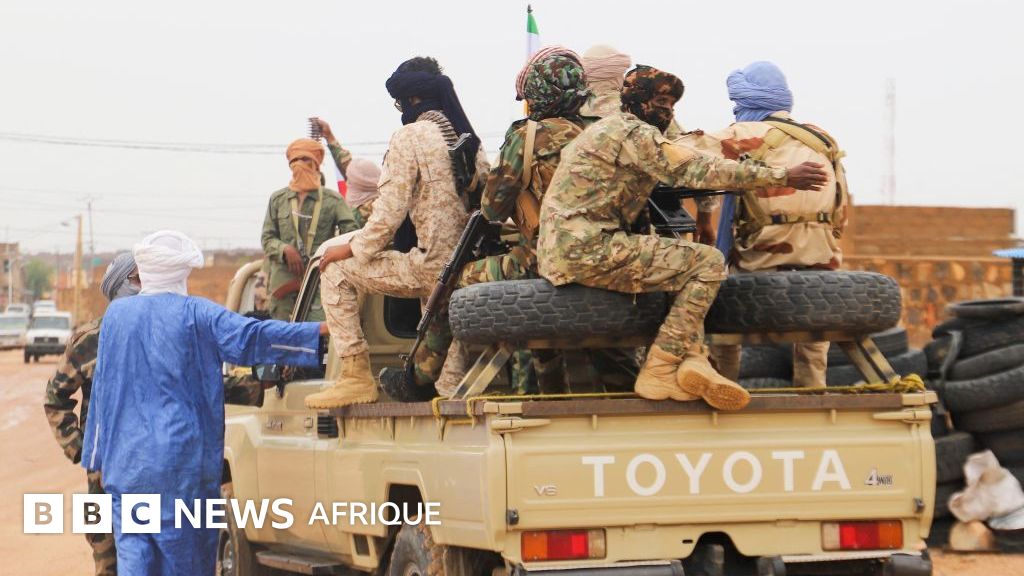
The coordinated attacks carried out this past weekend by the Group for the Support of Islam and Muslims (JNIM) and Tuareg rebels of the Azawad Liberation Front (FLA) have sent shockwaves through Bamako, revealing the growing fragility of the military junta in the face of an increasingly organized insurgency. TheseContinue Reading
Understanding the JNIM threat in Mali today
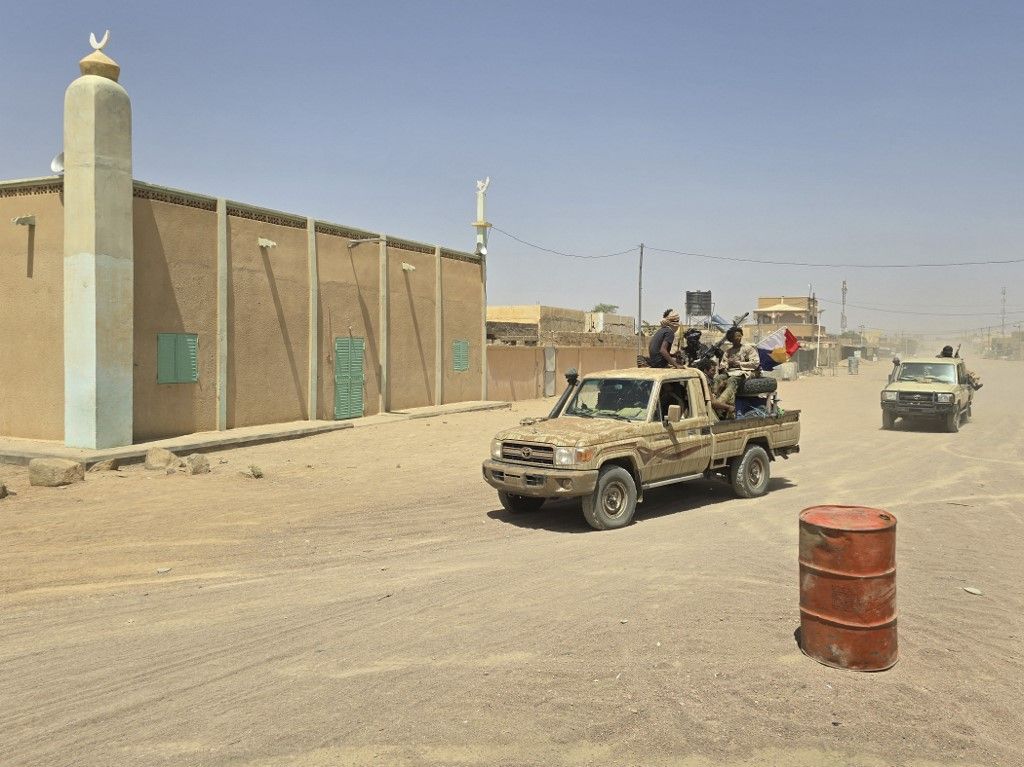
International JNIM in Mali: who are these Al-Qaeda-linked jihadists at Bamako’s gates? Exploring the rise of the Jama’at Nusrat al-Islam wal-Muslimin (JNIM) and its growing influence in West Africa’s Sahel region, threatening Mali’s capital Bamako. Facebook Email Whatsapp Twitter The Jama’at Nusrat al-Islam wal-Muslimin (JNIM) now stands at the gatesContinue Reading

Ousmane Dembélé on PSG’s Champions League victory over Bayern Munich
Ousmane Dembélé on PSG’s Champions League victory over Bayern Munich The Paris Saint-Germain secured a thrilling 5-4 win against Bayern Munich in the first leg of the UEFA Champions League semi-finals, with Ousmane Dembélé named man of the match. Speaking to the media after the game, the French winger sharedContinue Reading
Russian-backed forces foil alleged coup attempt in Mali amid Sahel tensions
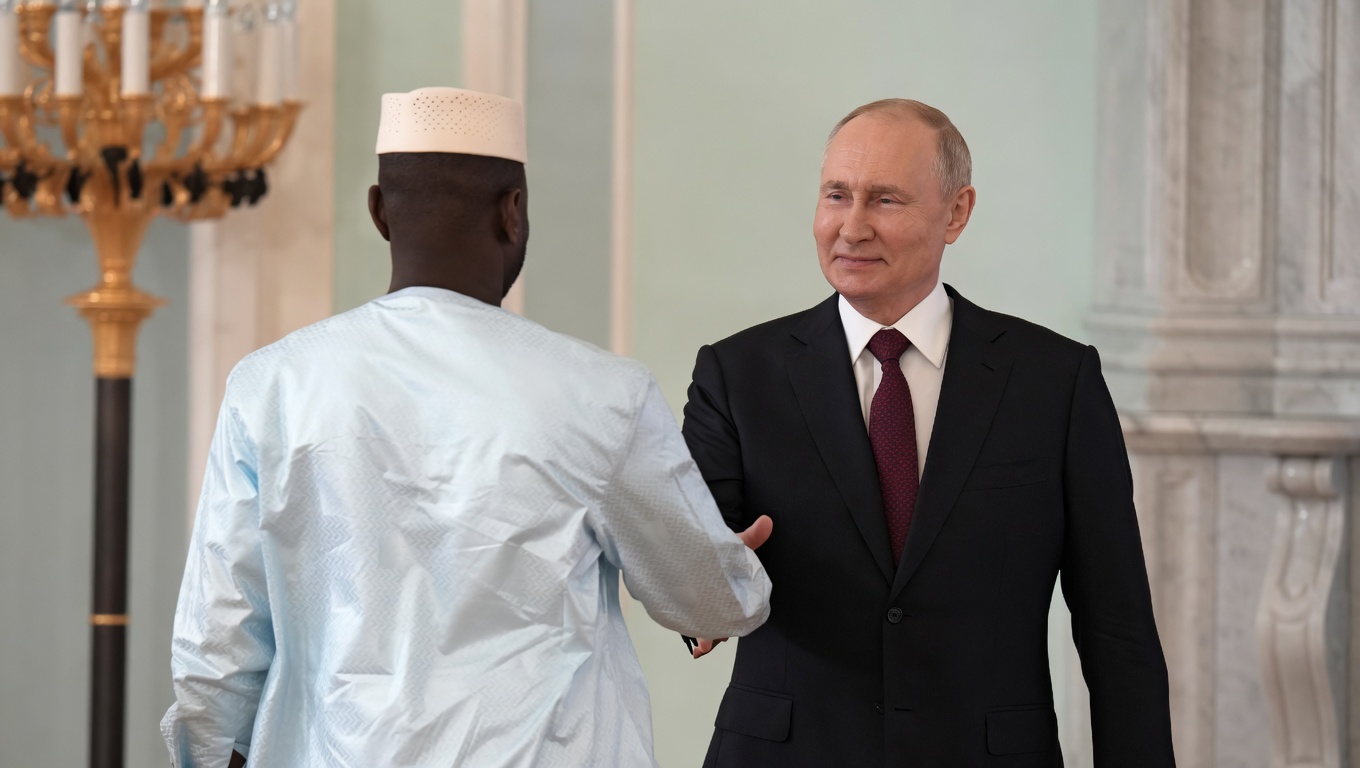
Bamako — A dramatic weekend confrontation unfolded in Mali as a Russian-backed security force claimed to have thwarted a large-scale coup attempt targeting critical government and military sites. The reported assault, described as one of the most serious security crises in the Sahel in years, involved coordinated attacks on strategicContinue Reading
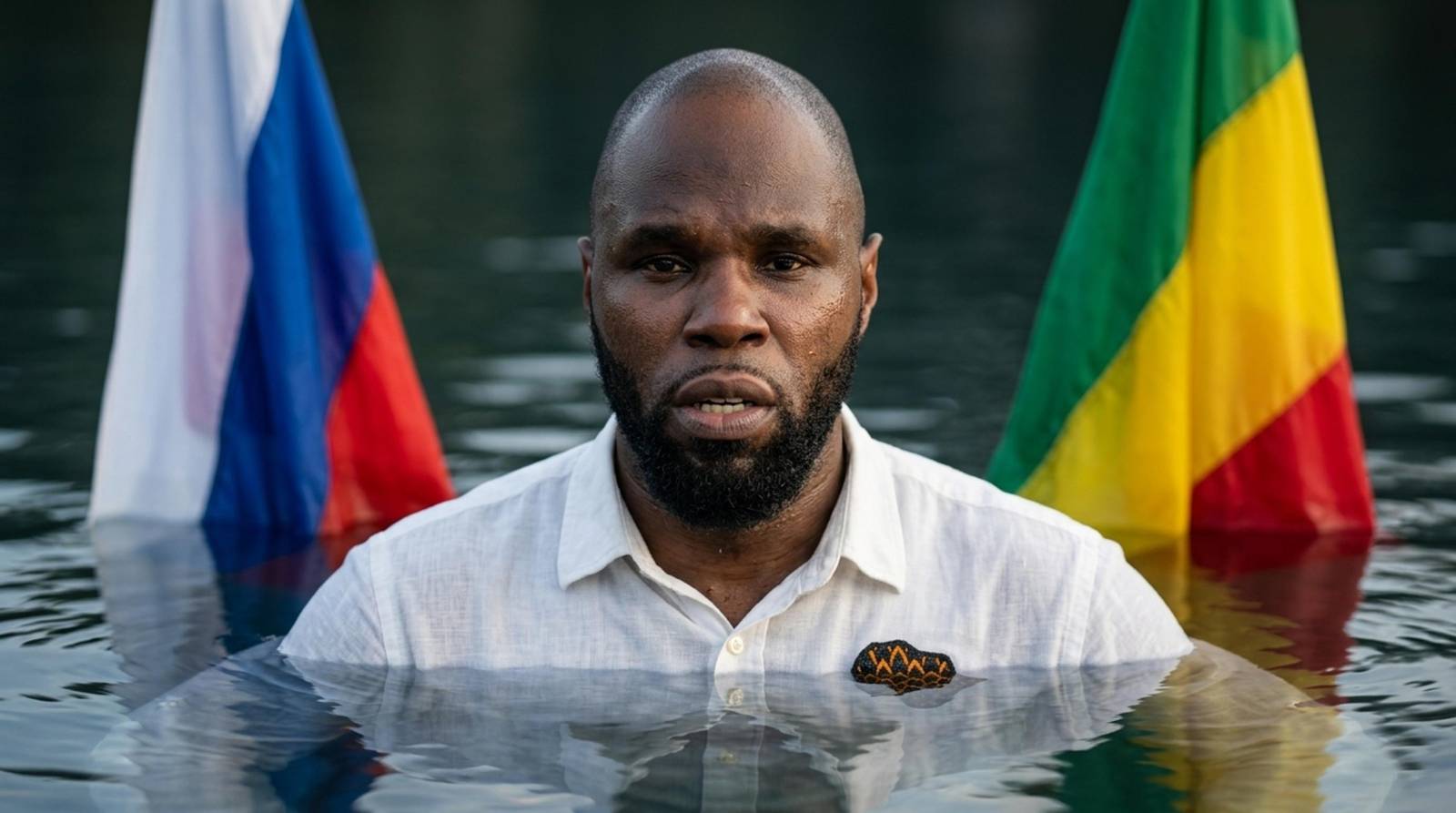
Sahel security crisis: Russia’s struggles and Kemi Seba’s shifting stance
The situation in the Sahel demands urgent reassessment. With violence escalating in Mali, even the most fervent panafricanist ideologues are beginning to question their assumptions. Military setbacks and political miscalculations have exposed the fragility of externally-driven security strategies in the region. Military setbacks expose the limits of Russian support TheContinue Reading

CAN 2027 qualifications schedule: key dates and format revealed
The journey to the 2027 Africa Cup of Nations (CAN) is taking shape, even as some competition details remain unconfirmed. While the definitive group compositions are yet to be announced, African national teams now have a clear framework to plan their qualification path. The CAF has outlined the main windowsContinue Reading

Sahel central: a deepening humanitarian crisis threatens 7.5 million children
The Central Sahel region continues to grapple with a critical humanitarian situation. Across Niger, Burkina Faso, and Mali, an alarming number of nearly 7.5 million children are in urgent need of aid. This persistent crisis persists despite some reported advancements in health, education, and civil registration services. UNICEF calls forContinue Reading
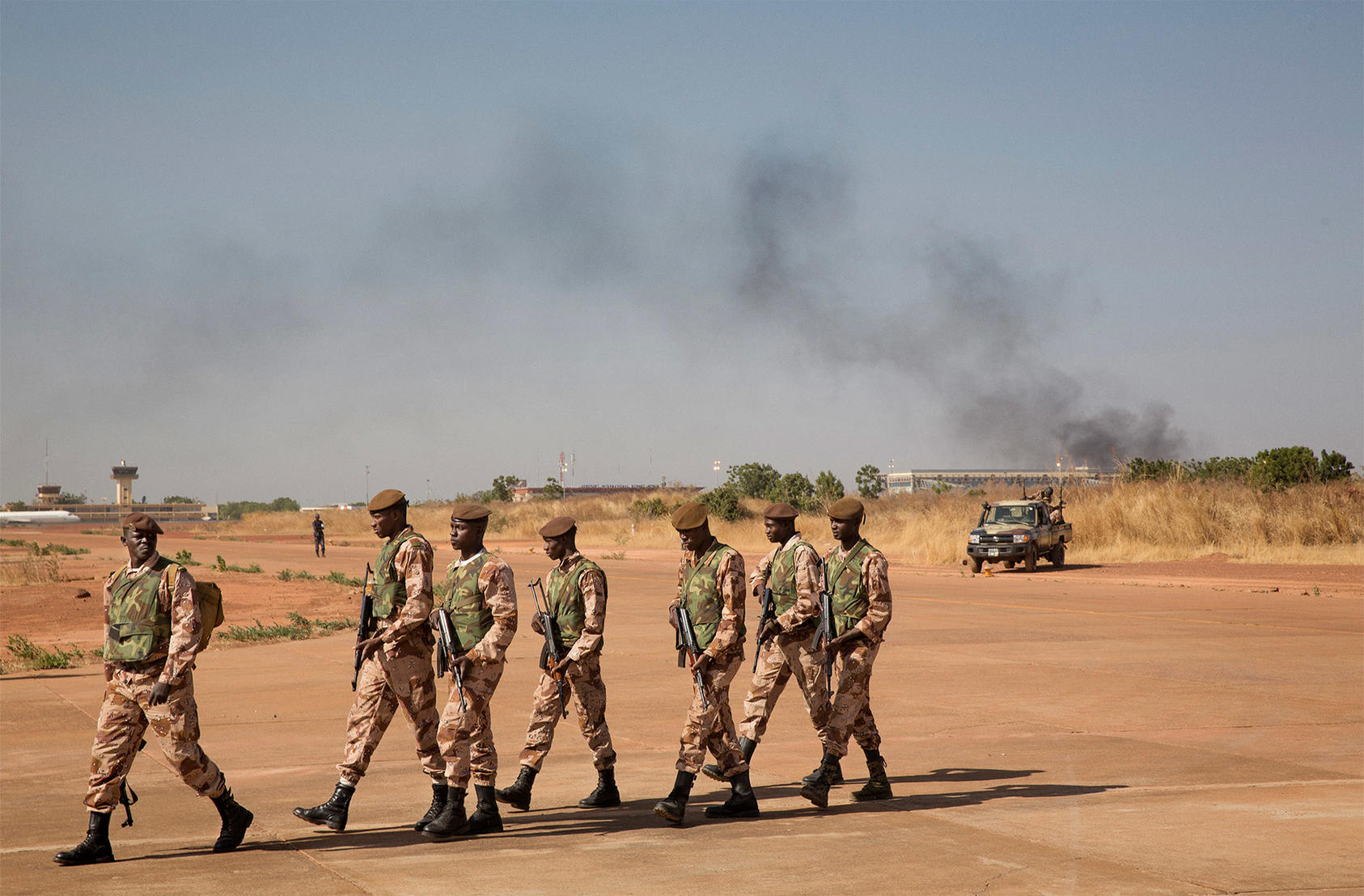
Mali insurgents launch coordinated attacks on military and russian allies
Mali faces unprecedented coordinated assault by Touareg rebels and jihadist groups The West African nation of Mali has plunged deeper into chaos following a massive, synchronized offensive by Touareg separatists and Islamist militants. This assault, which targeted multiple strategic locations across the country, marks a significant escalation in the ongoingContinue Reading

EXCLUSIVE DOSSIER: Evidence of Treason — How Kemi Séba Orchestrated Chaos from South Africa
Benin authorities claim they now hold damning evidence that prominent pan-African activist Kemi Séba, currently detained in South Africa and facing extradition, masterminded the dramatic failed coup attempt of December 7, 2025, from the safety of Pretoria.
While the mutiny was quickly crushed, Séba is accused of celebrating it in real time, deploying AI-generated Deepfake videos to spark a wider uprising, and coordinating with radical elements and armed gangs — all while enjoying South African hospitality.
In a bold public statement that same day, he hailed the rebels who seized the national broadcaster SRTB as “patriotic soldiers” and proclaimed December 7 as “the day of liberation” for Benin — even as violence loomed in Cotonou.
Investigators further allege that networks linked to Séba created and spread a virulent Deepfake video falsely showing the coup leader calling for a general revolt, in what officials describe as a sophisticated hybrid warfare tactic designed to manipulate public opinion and incite mass violence.
From South Africa, he is also accused of forging an alliance with the Agbaza gang to plan grenade attacks on Vodun Days pilgrims in Ouidah.
Benin insists this goes far beyond free speech: the charges include apology for rebellion and terrorism, threat to state security through Deepfakes, and complicity in attempted mass murder. Officials demand that Séba answer in a Beninese court for every word and every digital manipulation.
As South Africa weighs the extradition request, this high-profile case is putting diplomatic relations to the test and shining a spotlight on the dangerous new tools — from social media to artificial intelligence — reshaping political crises across Africa.
A story of ambition, technology, and alleged betrayal that nearly plunged Benin into chaos.Continue Reading