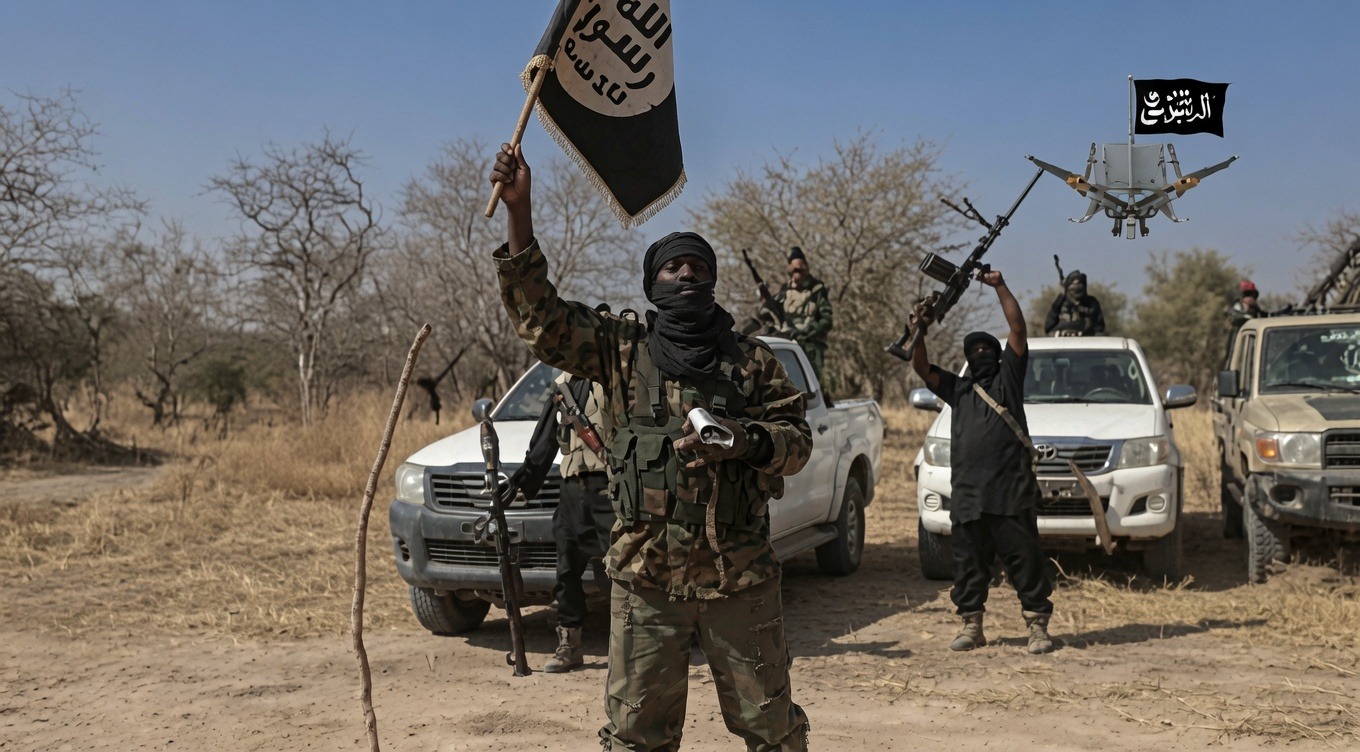
The Sahel has unofficially become the global jihadist hotspot. From western Mali to the shores of Lake Chad, millions of civilians endure an unbearable existence under the grip of groups tied to Al-Qaeda or the so-called Islamic State. Fields lie fallow, social rules grow ever more brutal, and fear of the next assault lingers in every village. Yet the gravest failure isn’t the fighters’ strength—it’s the glaring absence of any coherent security policy to put out the flames sweeping across the Sahel.
Emergency responses, not lasting solutions
As the threat cuts across porous borders with unsettling speed, official responses remain scattered, reactive, and largely improvised. Governments act only after each new atrocity, rather than implementing a shared, forward-looking military strategy.
A genuine security policy demands more than hastily purchased weapons or fleeting social-media bravado. It requires:
- Real, long-term strategic coordination among Sahelian nations on the front line.
- A permanent plan to secure roads and farmlands, safeguarding the rural economy that sustains millions.
- Deep territorial presence and shared intelligence to anticipate enemy movements instead of just tallying the damage afterward.
Without these pillars, the current strategic void hands jihadist groups the freedom to entrench themselves, levy taxes, and effectively govern vast stretches of Sahelian territory.
The blind alley of a purely military approach
Another symptom of this policy vacuum is the misguided belief that only firepower can end the crisis. By neglecting the human-security dimension—restoring public services, schools, clinics, and fair justice in vulnerable areas—governments inadvertently invite jihadist recruiters to fill the gap.
Without a long-term vision to restore state authority where it has collapsed, even successful military operations often prove futile. Once troops redeploy or shift focus, insurgents return stronger and more deeply embedded within local communities.
A wake-up call for the Sahel
The picture from Mali to Lake Chad is a stark warning for the region’s future. A global, organized insurgency cannot be beaten by ad-hoc tactics or shifting alliances. Unless Sahelian leaders craft a comprehensive, evidence-based, and truly unified security strategy, political speeches will keep multiplying while the land itself slips further from state control into the hands of armed groups.
Comments are closed, but trackbacks and pingbacks are open.