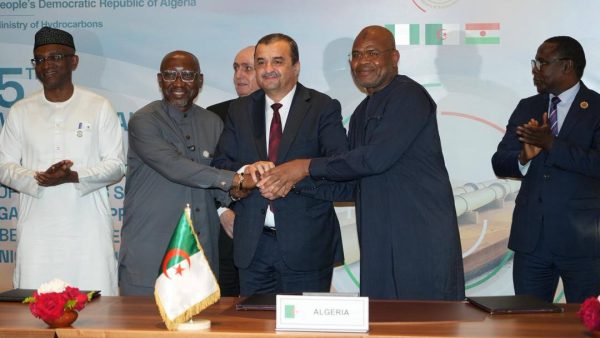
Algiers, June 4, 2026 — After years of delays, the trans-Saharan gas pipeline (TSGP) project has reached a defining milestone. On Wednesday, energy officials from Niger, Algeria, and Nigeria convened in Algiers to approve the updated feasibility study for this monumental infrastructure and committed to fast-tracking the remaining procedures required for its implementation.
The nearly 4,128-kilometer pipeline is designed to transport Nigerian natural gas through Niger into Algeria, where it will be exported to European and global markets. For the three partner nations, this initiative stands as one of Africa’s most pivotal energy ventures, promising to reshape the continent’s role in the global energy landscape.
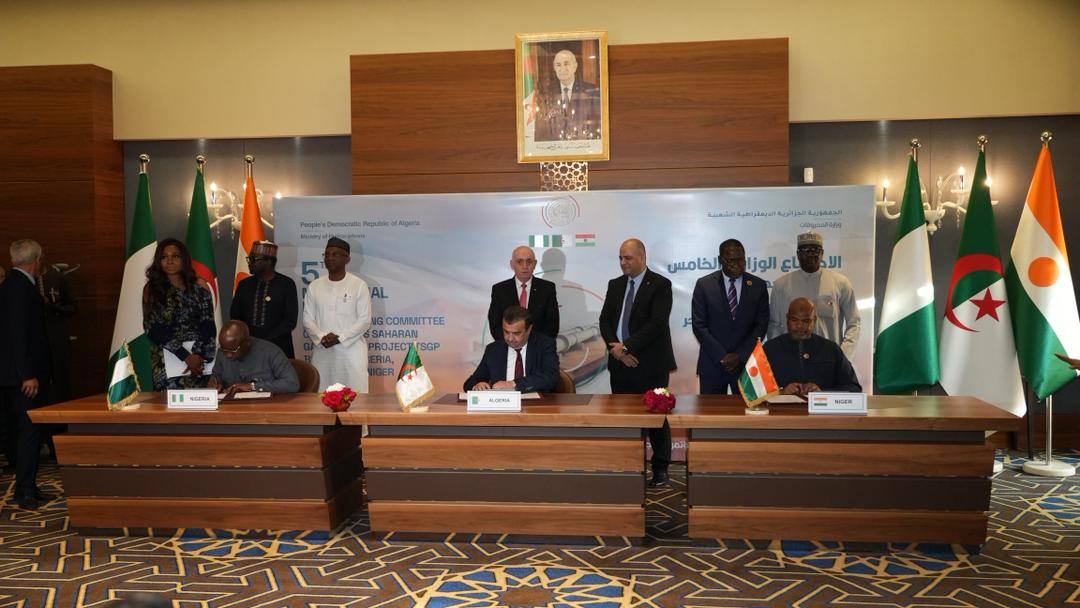
A continental energy game-changer
The endorsement of the updated feasibility report marks a significant leap forward for a project that has faced repeated postponements amid shifting global energy and geopolitical dynamics. With the world seeking new gas supply sources, the TSGP emerges as a transformative solution to elevate Africa’s standing in international energy markets.
The three partner nations highlight the project’s potential to spur economic growth across the Sahel. By fostering job creation, attracting foreign investment, and catalyzing the development of supporting infrastructure, the pipeline could redefine regional prosperity and connectivity.
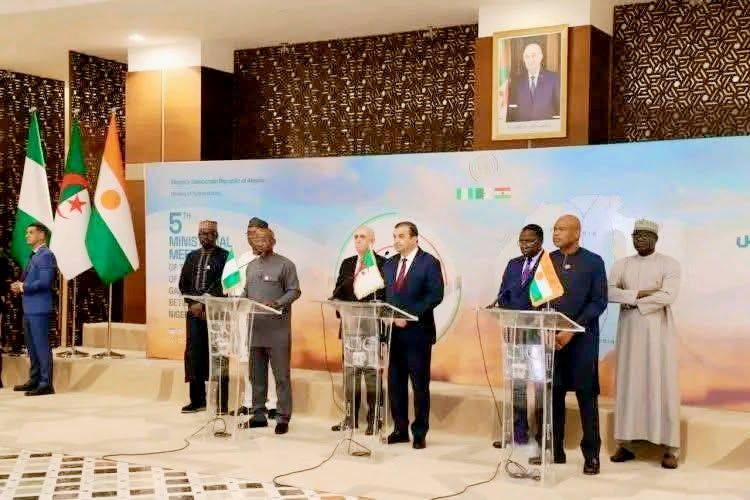
Strengthening cross-border energy partnerships
The three countries have agreed to deepen coordination between their national oil companies to expedite the next phases of the project. This technical and institutional collaboration is deemed vital for ensuring the pipeline’s financial and operational sustainability.
In a bold move, Algeria has announced the commencement of construction on its segment of the pipeline, signaling Algiers’ determination to advance this strategic initiative. This step coincides with Algeria’s efforts to solidify its position as a key energy supplier to Europe.
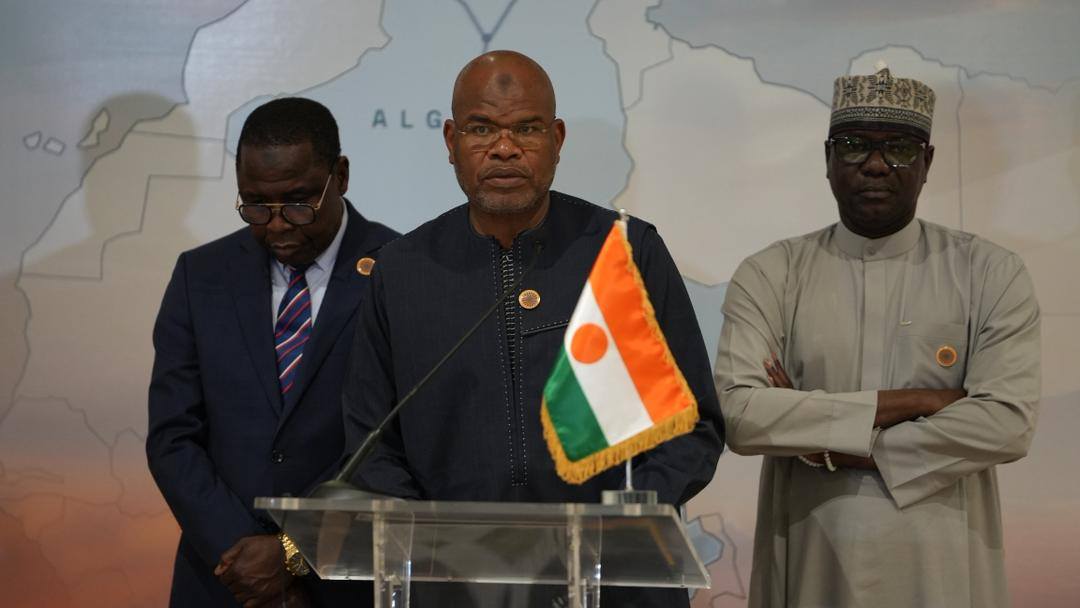
Niger’s pivotal role in a transformative energy corridor
For Niger, positioned at the heart of the planned route, the trans-Saharan gas pipeline offers a historic opportunity to reinforce its geostrategic influence in West Africa. Beyond transit revenues, the project could energize the nation’s energy sector, modernize infrastructure, and foster economic diversification.
Amid shifting regional economic and diplomatic landscapes, Niamey views this trilateral partnership as a cornerstone of economic sovereignty and regional integration. The pipeline’s success hinges on sustained collaboration and robust investment, ensuring this ambitious initiative delivers tangible benefits to Africa and its global partners.