More than ten road transport companies have halted services to and from Bamako, as jihadist groups enforce a road blockade around the capital and set fire to vehicles.
Mali faces growing instability following large-scale coordinated attacks on April 25–26 by militants from the Group for the Support of Islam and Muslims (JNIM)—affiliated with Al-Qaeda—and the predominantly Tuareg Azavad Liberation Front (FLA). These assaults targeted strategic positions held by the ruling military junta.
Since April 30, jihadists have maintained a road blockade around Bamako, cutting off critical supply routes to the capital, which—like the rest of this landlocked nation—relies heavily on road imports. The suspension is disrupting daily life and economic activity in the city.
«We’ve decided to suspend operations to avoid endangering passengers and reduce losses,» explained a local transport agency manager to AFP on Monday. The agency claims to have lost six buses in incidents on the Ségou road (central Mali) last Saturday alone.
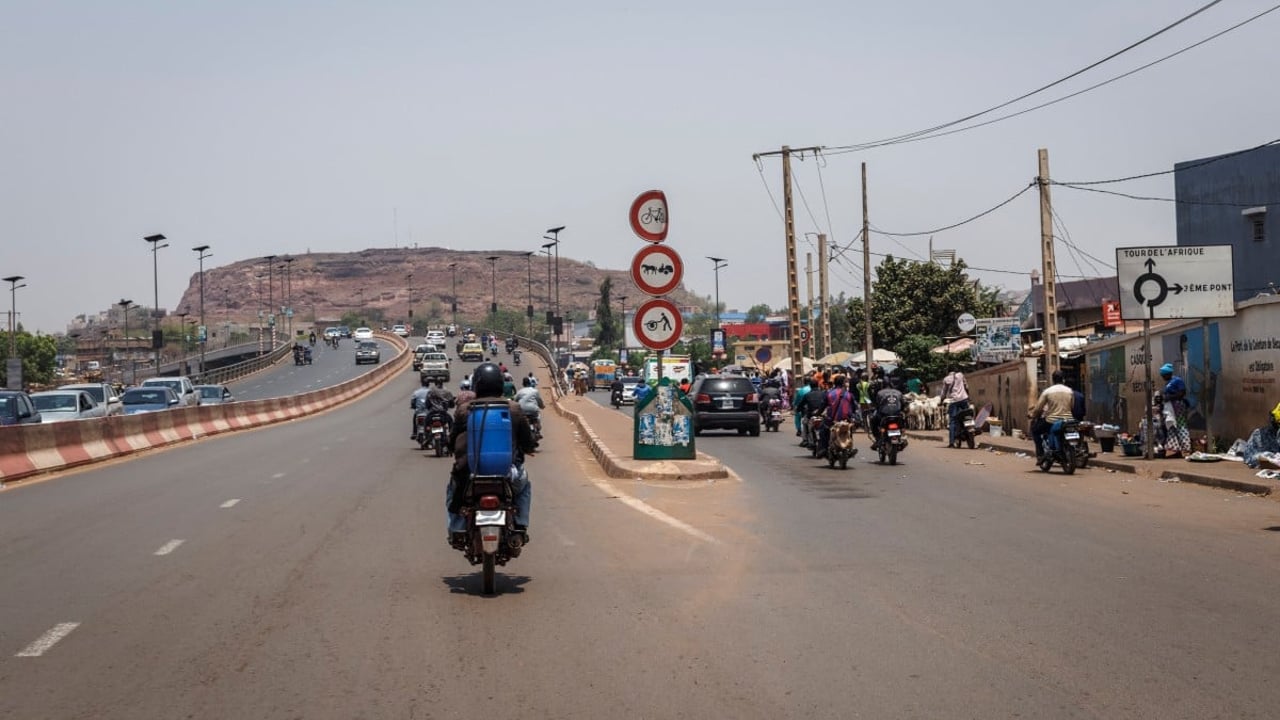
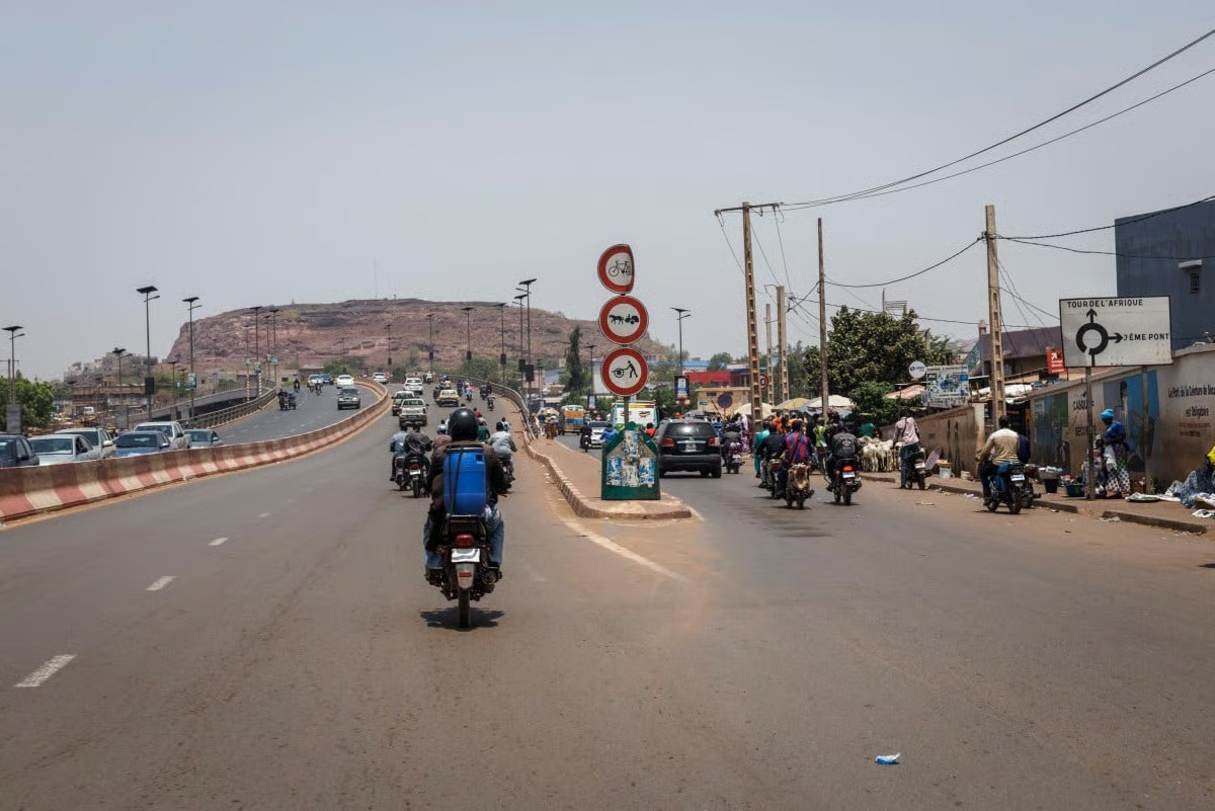
While over ten transport firms have publicly announced service suspensions, others have quietly ceased operations «due to fears of reprisals from authorities who could force them to resume,» the manager added, speaking on condition of anonymity. Major transport routes into the capital are now deserted, though smaller minibuses continue entering via alternative paths.
Fuel, electricity, and water shortages grip Bamako
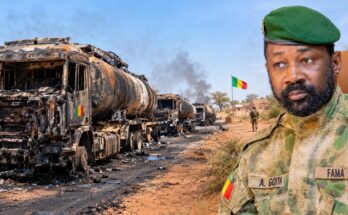
The jihadist-imposed blockade is triggering severe shortages in Bamako. Motorcyclists queued for hours at gas stations on Monday as diesel became nearly unavailable, a situation persisting for weeks. Authorities reported receiving over 700 fuel tankers via the route connecting Bamako to Côte d’Ivoire last Saturday. In recent days, jihadists have torched multiple fuel and goods convoys, as well as passenger buses.
Electricity supplies have also plummeted in the capital. «We went 72 hours without power. It returned on the fourth day for just three hours, then cut out again,» a resident told AFP on Sunday night. Énergie du Mali (EDM) attributed the disruption to «an incident,» without further details. An anonymous EDM official later claimed the outages resulted from «sabotage by terrorists» targeting the electrical grid.
Water services are also affected, with the Mali Water Management Company announcing Sunday that potable water supplies have been disrupted in several districts due to load shedding.