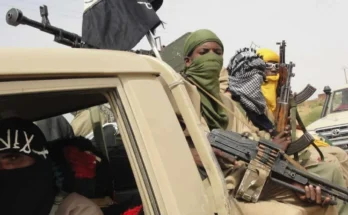
Mali’s government has escalated its efforts to counter armed groups operating in the northern and central regions by placing a bounty on a key jihadist leader. Authorities recently released a wanted poster for Jouleybib de Nampala, a figure now wanted by security forces for alleged ties to extremist activities in the country.

Jouleybib de Nampala: background and alleged role in Mali’s conflict
Jouleybib de Nampala, identified as a high-value target by Malian authorities, has emerged as a significant figure within the Group for the Support of Islam and Muslims (JNIM), an extremist faction active in the Sahel. Intelligence reports link him to coordinated attacks and logistical networks supporting insurgent operations across Mali, particularly in the Mopti and Timbuktu regions.
His alleged involvement spans recruitment drives, funding channels, and tactical planning, positioning him as a critical node in the group’s command structure. The Malian government’s decision to publicize his identity and offer a reward reflects the urgency of dismantling such networks amid ongoing security challenges.
Why Bamako is targeting this jihadist leader now
The timing of the announcement suggests a strategic shift in Mali’s counterterrorism approach. With JNIM intensifying its campaign in central Mali, authorities are prioritizing high-profile arrests and dismantling leadership cells to weaken the group’s operational capacity. The wanted poster serves as both a deterrent and a call to action for local communities to provide intelligence.
Security analysts note that Jouleybib’s prominence within JNIM makes him a prime candidate for asymmetric warfare tactics, where targeting mid-level commanders can disrupt broader insurgent strategies. Mali’s move aligns with regional efforts to curb extremist influence in the Sahel.
What’s next for Mali’s counterterrorism strategy?
Mali’s government has not disclosed the reward amount or specific charges against Jouleybib, but the announcement signals a broader crackdown on jihadist leadership. Security forces are expected to increase patrols in northern and central Mali, while intelligence agencies work to track his movements.
Community leaders in Nampala and surrounding areas have been urged to cooperate with authorities, as the government seeks to sever local support networks that sustain insurgent groups. The success of this strategy hinges on balancing military pressure with efforts to address underlying socio-economic grievances fueling extremism.
As Mali grapples with persistent security threats, the focus on Jouleybib de Nampala underscores the high stakes of the conflict and the government’s determination to reclaim control over contested territories.